
Crafting Sustainable Business Strategies in Ireland: A Comprehensive Guide


In recent years, the importance of sustainability in business has surged, especially in Ireland, where companies are increasingly aligning their strategies with environmental and social goals. Crafting a sustainable business strategy not only helps in protecting the environment but also enhances brand reputation and ensures long-term profitability.
Understanding Sustainability in Business
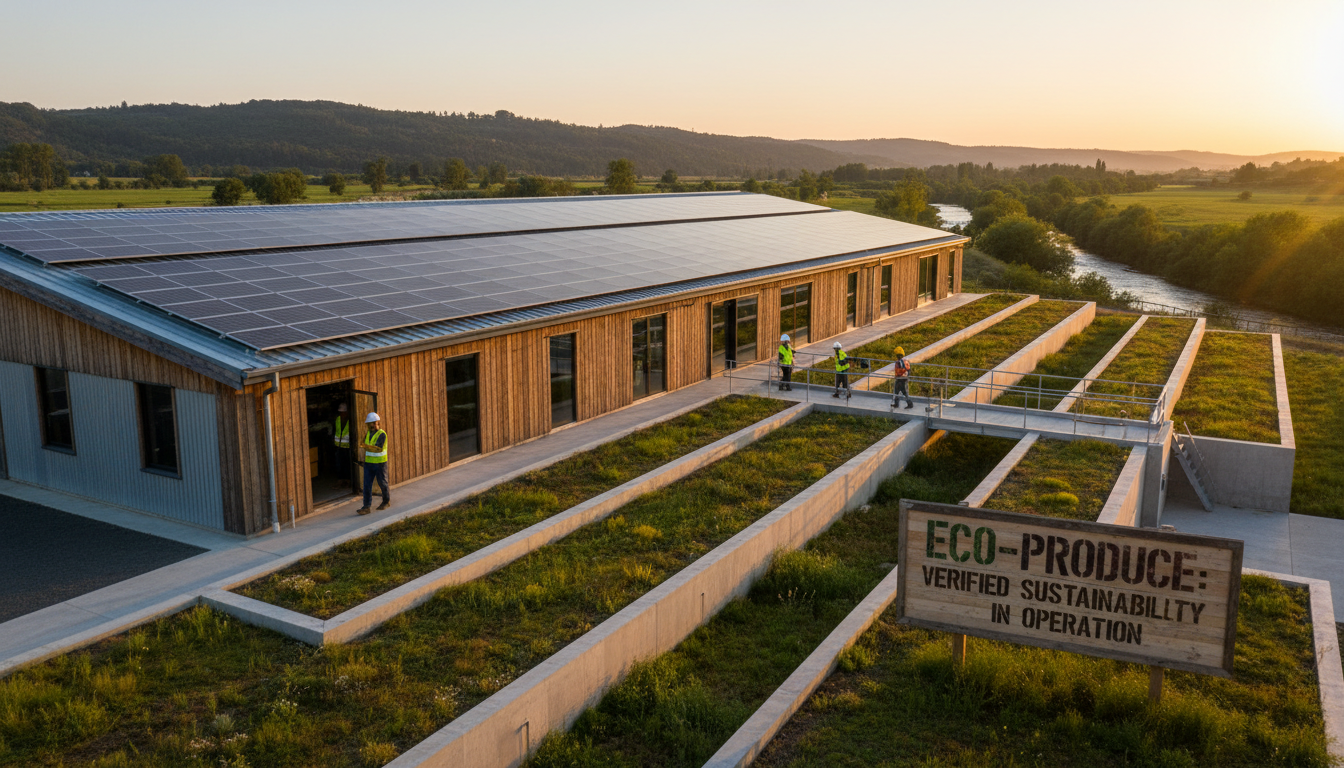
At its core, sustainability in business involves making decisions that consider the long-term impacts on the environment and society. This approach requires a balance between economic growth and ecological responsibility. For businesses in Ireland, this means integrating practices that reduce carbon footprints, promote social equality, and foster economic resilience.
Irish companies are increasingly adopting the triple bottom line approach, which considers environmental, social, and economic impacts. This holistic view ensures that businesses contribute positively to society while remaining profitable.
Key Elements of a Sustainable Strategy
To craft an effective sustainable strategy, businesses should focus on several key elements:
- Environmental Responsibility: Implementing practices that reduce waste and energy consumption.
- Social Equity: Ensuring fair labor practices and engaging with local communities.
- Economic Viability: Maintaining profitability while investing in sustainable technologies.
Steps to Develop a Sustainable Strategy
Assess Current Practices
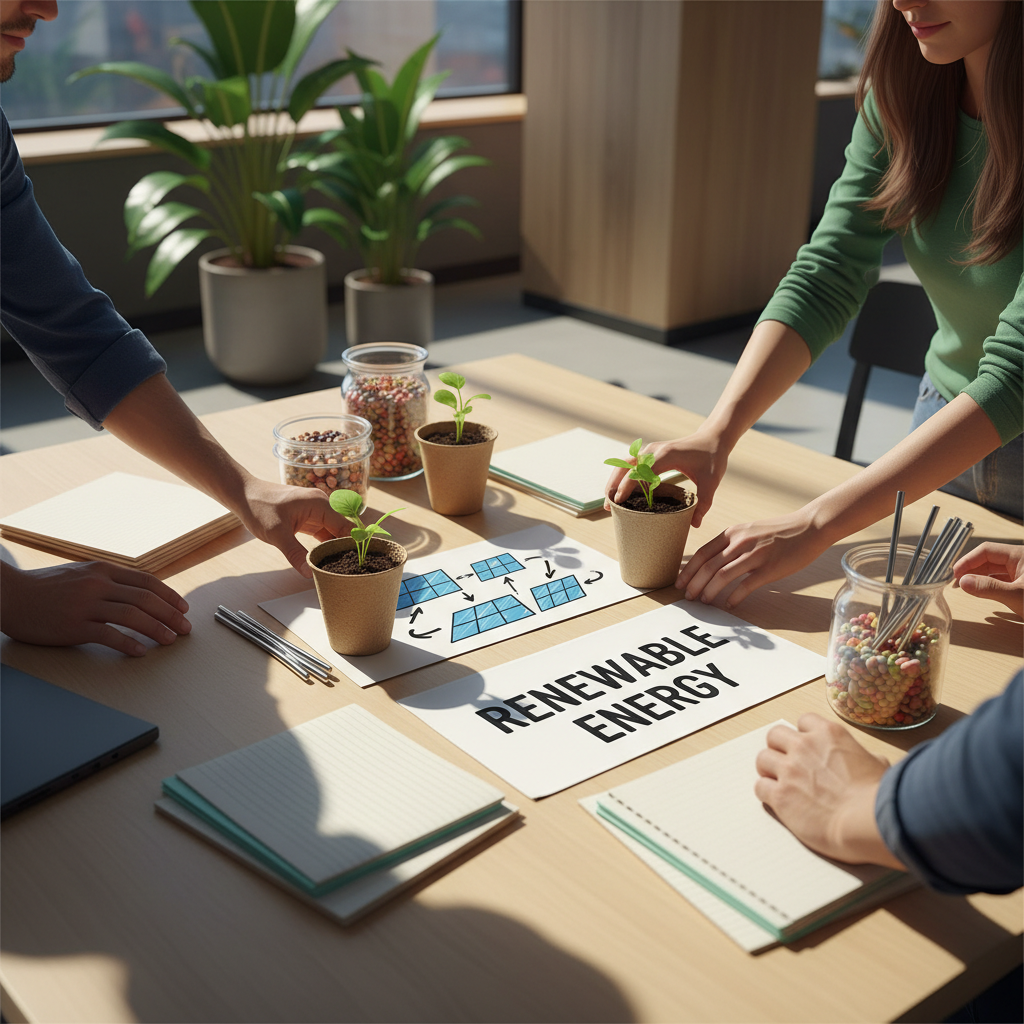
Begin by conducting a thorough assessment of your current business practices. Identify areas where sustainability can be improved, such as supply chain management, production processes, and employee engagement. This initial step is crucial for setting a baseline and identifying opportunities for change.
Set Clear Goals
Define clear, measurable goals that align with your company’s mission and values. Goals could range from reducing carbon emissions by a certain percentage to sourcing materials sustainably. Establishing these objectives will guide your strategy and provide benchmarks for success.

Implementing and Monitoring
Once goals are set, the next step is implementation. This involves integrating sustainable practices into every aspect of your business, from operations to marketing. Consider investing in renewable energy sources, adopting circular economy practices, and prioritizing ethical sourcing.
Monitoring progress is essential to ensure that your strategy remains effective. Regularly review your goals and adjust strategies as needed. Utilize tools and technologies that provide insights into your sustainability performance.
Engage Stakeholders
Engagement with stakeholders, including employees, customers, and investors, is crucial for the success of a sustainable strategy. Transparency in communication and reporting builds trust and encourages collaboration. By involving stakeholders, businesses can gain valuable insights and foster a culture of sustainability.
The Future of Sustainable Business in Ireland
As Ireland continues to commit to environmental goals, the business landscape will increasingly favor companies that prioritize sustainability. By crafting comprehensive strategies, businesses not only contribute to a healthier planet but also position themselves for future success in a competitive market.
The journey towards sustainability is ongoing and dynamic, requiring continuous innovation and adaptation. Irish businesses that embrace this challenge are likely to thrive in the evolving global economy.