
Case Study: Transforming a Manufacturing Business in Dublin


Introduction
In the heart of Dublin, a traditional manufacturing business faced the daunting challenge of modernizing its operations to stay competitive in an evolving market. This case study explores how strategic changes transformed the company, leading to increased efficiency and profitability.
Understanding the Challenges
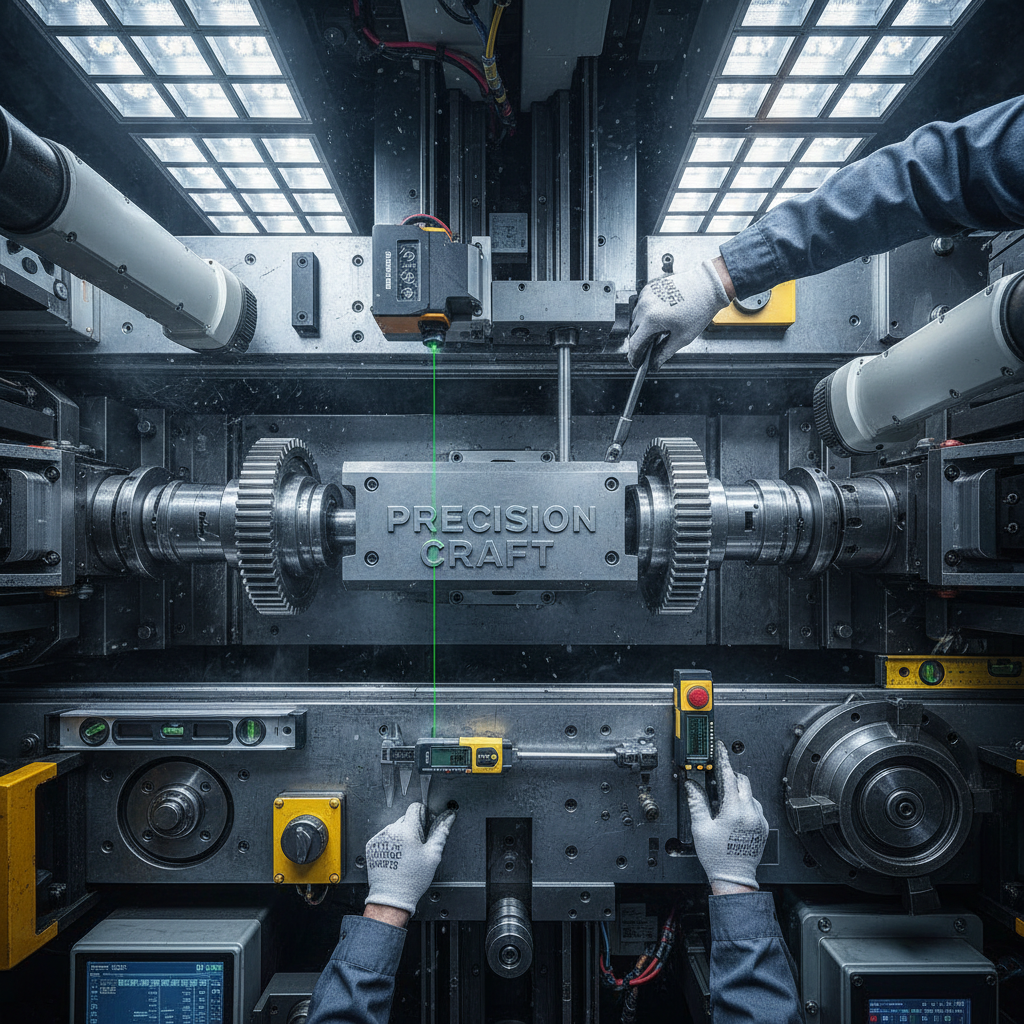
The Dublin-based manufacturer, established over three decades ago, was struggling with outdated processes. The main challenges included high production costs, inefficient supply chain management, and a lack of digital integration. These issues not only hampered growth but also threatened the business's survival.
Strategic Planning and Implementation
A comprehensive strategy was essential to breathe new life into the company. The management team collaborated with digital transformation experts to devise a multi-step plan. The focus was on integrating technology, optimizing processes, and enhancing workforce skills.

Technology Integration
The first step was to implement advanced manufacturing technologies. This included the adoption of automation tools and smart manufacturing systems. By introducing IoT devices and data analytics, the company improved its production efficiency significantly.
Optimizing Supply Chain
Revamping the supply chain was crucial. The company adopted a just-in-time inventory system, reducing waste and storage costs. Collaborating with local suppliers ensured quicker turnaround and better quality control.
Enhancing Workforce Skills
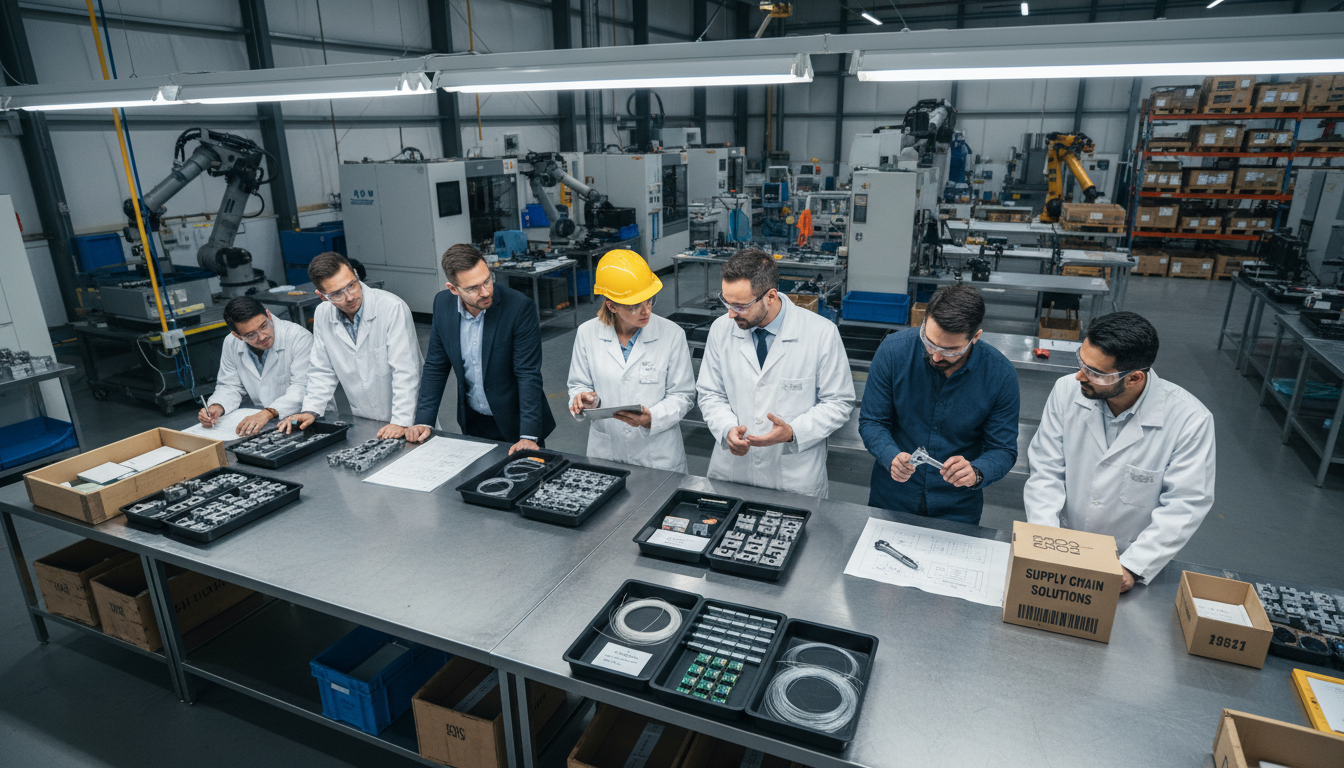
Investing in the workforce was a pivotal part of the transformation. The company initiated training programs to upskill employees, ensuring they could effectively utilize the new technologies. This empowered the staff and improved overall productivity.
Outcomes and Benefits
The transformation resulted in several positive outcomes:
- Reduced production costs by 25%
- Improved product quality
- Faster delivery times
- Increased market competitiveness
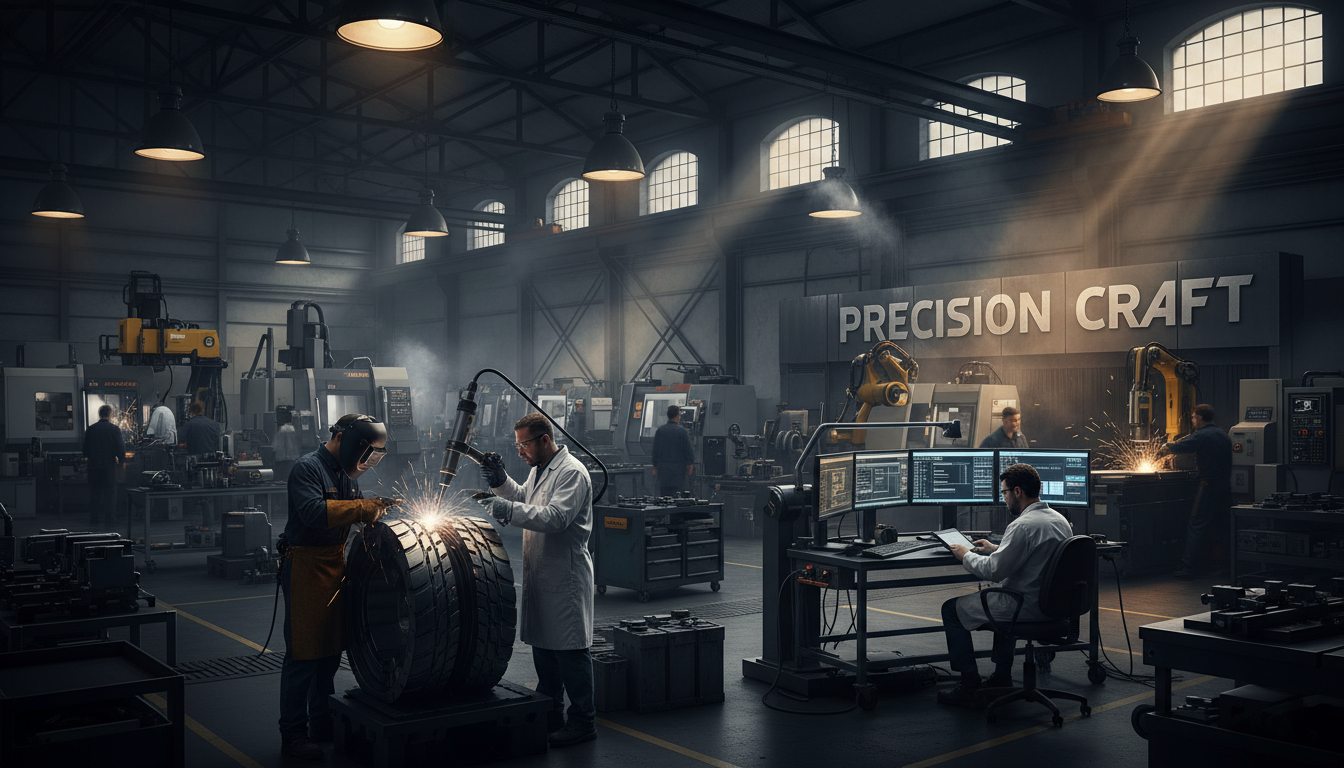
These achievements not only stabilized the business but also positioned it for future growth.
Conclusion
This case study illustrates the power of strategic transformation in the manufacturing sector. By embracing technology, optimizing processes, and investing in their workforce, the Dublin-based manufacturer not only survived but thrived in a competitive landscape. Their journey serves as an inspiring example for other businesses facing similar challenges.