
Case Study: Transforming a Dublin Business with Sustainable Strategies


Introduction to Sustainable Transformation
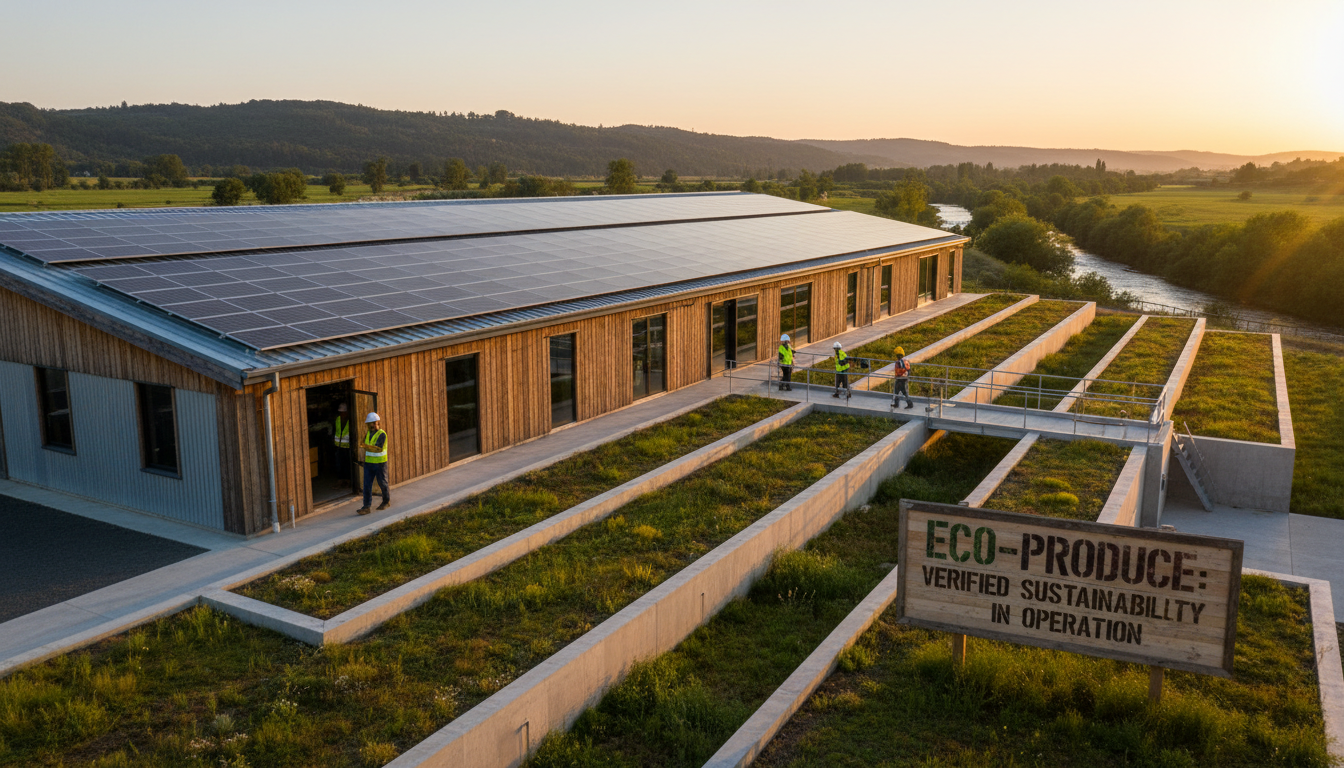
In recent years, the global business landscape has witnessed a remarkable shift towards sustainability. This case study explores how a Dublin-based business has successfully transformed its operations by adopting sustainable strategies. The journey has not only enhanced its brand image but also improved profitability and customer loyalty.
Identifying the Need for Change
The business, a mid-sized manufacturing company, initially faced challenges related to high energy consumption and waste production. With increasing environmental regulations and consumer demand for eco-friendly products, the need for a sustainable transformation became evident. Recognizing this, the management team embarked on a strategic overhaul.
Setting Clear Objectives
To ensure a successful transformation, the company set clear objectives:
- Reduce carbon footprint by 30% within three years.
- Achieve zero waste to landfill by 2025.
- Integrate renewable energy sources into operations.

Implementing Sustainable Practices
The company adopted a multifaceted approach to sustainability, focusing on energy efficiency, waste reduction, and sustainable sourcing. Energy-efficient machinery replaced outdated equipment, significantly reducing energy consumption. Additionally, a waste management system was introduced to minimize waste and encourage recycling.
Collaborating with Stakeholders
Engaging stakeholders was crucial for the success of the transformation. The company collaborated with suppliers to ensure sustainable sourcing of raw materials. Employees were trained on eco-friendly practices, fostering a culture of sustainability within the organization.

Measuring Success and Impact
The results of the sustainable transformation were remarkable. Within two years, the company achieved a 25% reduction in carbon emissions, well on the way to meeting its target. Waste to landfill was reduced by 40%, and renewable energy accounted for 50% of the company's energy use.
Gaining Competitive Advantage
The company's commitment to sustainability not only met regulatory requirements but also provided a competitive edge. Consumers increasingly prefer brands with a strong environmental commitment, leading to a 15% increase in sales and improved customer loyalty.

Conclusion
This case study highlights the profound impact of sustainable strategies on business transformation. By prioritizing environmental responsibility, the Dublin business not only achieved its sustainability goals but also experienced enhanced brand reputation and financial performance. The success story serves as an inspiration for other businesses aiming to embrace sustainability and thrive in an eco-conscious world.